

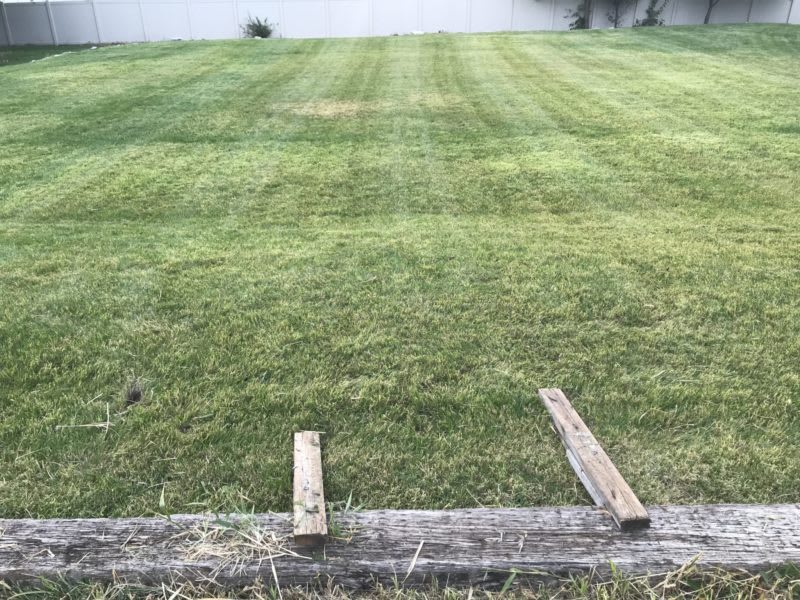
August is when many Utah homeowners notice expanding brown patches across their lawn. The first assumption is almost always drought stress — it’s the hottest time of year, and it seems logical that grass is struggling to keep up with the heat. So they increase irrigation. The patches keep spreading. They water more. Nothing improves.
If this cycle sounds familiar, the culprit may not be your irrigation system at all. Some of the most persistent and damaging lawn problems in Utah County are caused by insects — specifically billbugs — rather than water or heat stress. Understanding the difference is critical, because the remedies are entirely different and applying the wrong one can make the problem worse.
What Are Billbugs?
Billbugs are weevils — a type of beetle — that are extremely common across Utah’s residential lawns. Adult billbugs emerge in late spring and deposit eggs in grass stems near the soil surface. When the eggs hatch, the larvae burrow down through the stem and into the root zone, where they feed throughout the summer months. By August, larvae have been actively feeding on roots and stems for weeks — sometimes months — severing grass from its root system and creating the dead, straw-colored patches homeowners mistake for drought damage.
The most reliable field test for billbug damage is simple: grab a handful of the affected brown grass and pull. Healthy grass resists firmly because the roots are intact. Grass damaged by billbugs lifts away easily — sometimes in large sections, like peeling up a loose carpet — because the roots have been severed by larval feeding.
Beneath the detached turf, look for a fine, sandy or sawdust-like material called frass — the byproduct of larval feeding. Frass at the soil surface is one of the most definitive identifiers of billbug activity and clearly distinguishes insect damage from drought, irrigation failure, or disease.
Why Homeowners Misdiagnose Billbugs
The visual appearance of billbug damage and drought stress are nearly identical: straw-colored or tan grass, thinning turf, and irregular dead spots that expand over weeks. The critical difference is how the turf responds to irrigation. Drought-stressed grass will typically show improvement within a few days of increased watering. Billbug-damaged turf will not — the grass has no functioning root system to absorb the water you’re adding.
This is why the tug test described above matters so much. Before increasing your irrigation schedule or calling for a sprinkler repair, perform that simple test in the affected areas. If the grass lifts away without resistance and you find frass beneath, you’re dealing with an insect problem, not a water problem.
Increasing irrigation on billbug-damaged turf doesn’t just fail to help — it can actively create secondary problems. Excess surface moisture promotes fungal disease in already-stressed turf and can encourage billbug adults to continue egg-laying in the waterlogged thatch layer.
August Is Peak Discovery Season — But the Damage Started Earlier
Here’s why August is when most Utah homeowners first notice the problem, even though billbugs have been active since spring: early-season larval feeding causes damage that healthy, actively-growing turf can partially mask. As temperatures peak in July and August and cool-season grasses like Kentucky bluegrass enter summer semi-dormancy, stressed turf loses its ability to compensate for root loss. Heat stress and root damage combine to produce rapid, highly visible decline.
By the time large brown patches appear in August, larvae have often been feeding for 6–10 weeks. This timing is why preventive management — ideally applied in spring or early summer before eggs hatch — is dramatically more effective than reactive treatment after visible damage appears in fall.
If you’ve noticed declining turf in the same areas year after year — even after overseeding or re-sodding — recurring billbug pressure is a likely explanation. Billbugs tend to be most active in the same locations within a lawn season after season.
Prevention and Long-Term Management
The most effective approach to billbug management combines smart cultural practices with targeted treatment when monitoring indicates pressure. Keeping turf at proper mowing height reduces overall stress and supports stronger, deeper root systems that are more resilient to insect damage. Our Weed Management Services can also reduce weed competition that further stresses damaged turf and slows recovery.
Soil fertility plays a significant supporting role. Turf maintained at healthy nutrient levels recovers more quickly from insect damage and resists secondary stressors better than nutrient-deficient grass. Our Fertilization Services team can evaluate your lawn’s current fertility status and develop a program that supports turf health across the full growing season — including the recovery period following summer damage.
Thatch management is another key cultural control. Billbugs deposit eggs in thatch — the layer of dead organic material between the grass and soil surface. A thatch layer thicker than half an inch provides ideal egg-laying habitat and should be addressed through annual Aeration Services. Core aeration reduces thatch depth, improves soil drainage, and makes turf less hospitable to billbug egg-laying over time.
Common Symptoms to Watch For
Straw-colored or tan patches that don’t respond to irrigation within a week or two are the primary warning sign. Turf that lifts away from the soil with minimal resistance, particularly in patches that were recently green, strongly suggests root damage from larval feeding. Irregular dead spots that expand through summer rather than stabilizing or responding to treatment are typical of insect damage, which tends to spread as larvae move through the root zone.
Look also for increased bird or wildlife activity in specific lawn areas — birds like starlings and robins actively probe lawns for billbug larvae and can be an indicator of infestation before the turf damage becomes obvious. Skunk and raccoon digging in lawns overnight is another common sign of grub or larval activity in the root zone.
FAQ
Q: Will billbug-damaged grass recover on its own?
A: Recovery depends on the severity of root damage and how much of the root system remains. Lightly affected areas — where roots are partially intact — often recover with proper watering, fertilization, and time, particularly in fall when cool-season grasses naturally rebound. Heavily damaged areas where roots have been completely severed across large sections typically require overseeding or re-sodding to restore a full stand.
Q: Should I increase watering if my grass is turning brown in August?
A: Not until you’ve evaluated other possible causes first. Perform the tug test: grab a handful of brown grass and pull firmly. If the turf lifts away without resistance, you likely have a root problem — either insects or disease — rather than drought. Increasing irrigation on turf with severed roots wastes water and can create secondary issues. Evaluate the pattern, perform the tug test, look for frass, and contact a lawn care professional if the cause isn’t clear.
Q: How can I tell if I have billbugs versus grubs?
A: Both cause similar turf damage and the tug test applies to both. The key difference is in what you find beneath the turf. Billbug larvae are small (about a quarter-inch), cream-colored, and legless — they resemble tiny grains of rice. White grubs (larvae of Japanese beetles and related species) are larger, C-shaped, and have visible legs near the head. Frass — the sawdust-like material at the soil surface — is more associated with billbug feeding. Both can co-occur, and treatment strategies may differ, so accurate identification matters.
Q: Is there a way to prevent billbug damage before it starts?
A: Yes. Preventive insecticide applications in late spring — timed to target newly-hatched larvae before they burrow deep into the root zone — are significantly more effective than curative treatments in summer. Combined with cultural practices like proper mowing height, annual aeration, and balanced fertilization, preventive timing can dramatically reduce billbug pressure year over year. Contact us in spring if you’ve experienced billbug damage in previous seasons and want to get ahead of it.
Q: Can billbug damage spread from one lawn to a neighbor’s?
A: Adult billbugs are mobile and can move between properties, so damage can appear in adjacent lawns over time. However, billbug populations tend to concentrate where conditions are favorable — dense thatch, compacted soil, and stressed turf. Improving overall lawn health and reducing thatch through
Aeration Services makes your lawn less hospitable to billbugs regardless of what’s happening in neighboring yards.
Contact Us to schedule a lawn inspection if you’re seeing brown patches that aren’t responding to irrigation.
Areas We Serve: Utah County and Salt Lake County including Saratoga Springs, Lehi, Eagle Mountain, Orem, Provo, Draper and South Jordan.