


The Surprise Waiting Under the Snow
You step outside on the first warm day of spring in Eagle Mountain. The snow has finally melted. The sun feels incredible. But then — you look down.
Instead of that healthy green lawn you’ve been waiting for, you see grayish circles, matted grass, and strange cotton-like patches spreading across your yard.
Welcome to snow mold, Utah’s most common (and least understood) winter lawn disease.
Most homeowners don’t even realize it’s forming until it’s too late. But once it appears, it can take months for your lawn to recover — if it recovers at all. In this guide, you’ll learn exactly what snow mold is, why Eagle Mountain yards are so vulnerable, and how a few smart steps this fall can protect your lawn from months of ugly, costly damage.
What Is Snow Mold?
Snow mold is a fungal lawn disease that grows under snow cover or prolonged cold, damp conditions. It thrives when the ground stays moist but not completely frozen — a perfect description of Utah’s winter weather.
There are two main types found in Eagle Mountain:
- Gray Snow Mold (Typhula blight) – appears as gray-white circles, usually 3–12 inches wide.
- Pink Snow Mold (Microdochium patch) – looks similar but has a pinkish tint around the edges and can be more severe.
Both types suffocate grass blades, weaken root systems, and leave your lawn thin, patchy, and dull green long into spring.
Why Eagle Mountain Lawns Are Especially at Risk
Eagle Mountain’s high elevation and unique microclimate make it a prime environment for snow mold.
Here’s why:
- 🌨️ Longer snow cover: Snow often sits for weeks at a time, insulating fungi underneath.
- 💨 Wind-blown drifts: Uneven snow piles in certain areas, creating moisture traps.
- 🌡️ Freeze–thaw cycles: The temperature frequently rises above freezing during the day and drops again at night, keeping soil moist and fungal growth active.
- 🌾 Clay-heavy soil: Poor drainage means moisture lingers at the root level.
Even the best lawns in Eagle Mountain can develop snow mold if not properly prepped in fall.
How to Identify Snow Mold in Spring
Once the snow melts, look for these telltale signs:
- Circular patches of matted, discolored grass
- White, gray, or pink fuzzy mold on the surface
- Slimy or crusty texture where the fungus was active
- Thin, brittle grass that won’t stand upright
Snow mold can cover small areas or stretch across large sections of your yard. In severe cases, you may even smell a musty, decaying odor from the infected spots.
Pro Tip: Don’t rake or mow immediately after the snow melts — the lawn is still fragile. Let it dry for a few days first to avoid spreading the spores further.
How Snow Mold Damages Your Lawn
Snow mold doesn’t just discolor your lawn — it weakens it from the roots up.
- The fungus suffocates grass blades under snow.
- It depletes oxygen and nutrients from the root zone.
- Once spring hits, the infected areas fail to regrow evenly.
Left untreated, snow mold can kill entire patches of grass and open the door for weeds and insects in spring.
The Fall Prevention Plan: How to Stop Snow Mold Before It Starts
The best way to deal with snow mold is to prevent it entirely, and fall is the time to do it.
Follow these proven steps that Saratoga Mowing uses for Eagle Mountain clients:
1. Mow Lower Before Winter
Gradually lower your mowing height to around 2 to 2.5 inches by late fall. Shorter grass won’t mat under snow, reducing fungal risk.
2. Rake & Remove Leaves and Thatch
Leaves, grass clippings, and organic debris trap moisture and prevent airflow. Clean everything before the first snowfall.
3. Aerate Compacted Soil
Clay soils common in Eagle Mountain trap water near the surface. Fall aeration breaks up soil compaction and improves drainage.
4. Avoid Late-Season Nitrogen Fertilizer
High-nitrogen fertilizer promotes lush new growth that freezes easily. Switch to a low-nitrogen, high-potassium “winterizer” fertilizer in October.
5. Even Out Snow Distribution
Use a shovel or snow blower to level heavy snow piles that accumulate in one spot (especially near driveways and walkways). This helps prevent uneven melting and moisture buildup.
6. Schedule Sprinkler Blowouts Early
Residual water in sprinkler lines or heads can leak and freeze, creating excess moisture that feeds fungal growth. Blow out your sprinklers by mid-October.
What To Do If You Already Have Snow Mold
If your lawn shows signs of snow mold after the snow melts, don’t panic — you can still help it recover.
- Let It Dry Out: Give the area time to breathe. Sunlight and airflow naturally kill the fungus.
- Lightly Rake Affected Spots: Break up matted grass to increase oxygen flow.
- Fertilize in Spring: Apply a balanced lawn fertilizer once temperatures stay above 50°F to encourage new growth.
- Overseed Damaged Areas: If large patches remain dead, overseed with a cool-season grass blend suited for Utah’s climate.
- Water Wisely: Avoid overwatering early in spring — fungus loves constant moisture.
If your lawn still shows discoloration after 2–3 weeks, Saratoga Mowing can perform a fungal treatment and overseeding package to restore uniform growth.
The Cost of Ignoring Snow Mold
Neglecting snow mold isn’t just a cosmetic issue — it can hit your wallet hard:
| Problem | Average Repair Cost |
| Lawn reseeding | $200–$400 |
| Sod replacement | $800–$1,200 |
| Fungicide treatment | $100–$250 |
| Full lawn restoration | $1,000+ |
That’s why prevention is far cheaper — and far less stressful.
Real-Life Story: The “After-Snow” Shock in Eagle Mountain
Last spring, a homeowner in the Cedar Trails neighborhood called Saratoga Mowing, panicking after their snow melted. Nearly half their front yard was covered in silver-gray patches.
They’d skipped fall cleanup and used a high-nitrogen fertilizer in late October. By April, snow mold had taken hold.
After aeration, reseeding, and fungal treatment, the lawn eventually recovered — but the homeowner learned an expensive lesson:
💬 “We thought our grass was fine under the snow. Now we’ll never skip fall prep again.”
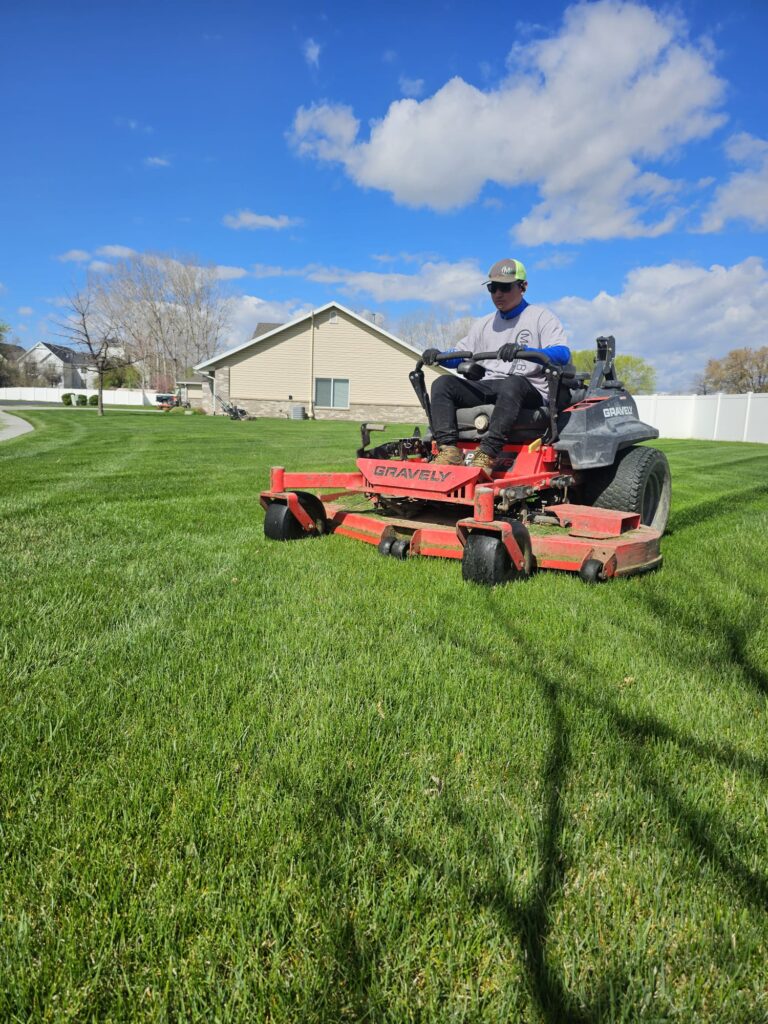
Stop Snow Mold Before It Starts
Don’t wait until spring to discover the damage. A little prevention now can save you hundreds in repair costs later.
At Saratoga Mowing, we help Eagle Mountain homeowners protect their lawns from snow mold with:
- Fall cleanup and leaf removal
- Aeration and soil conditioning
- Winterizer fertilizer
- Sprinkler blowouts
- Early-season fungus prevention
Call (801) 810-5452 or visit saratogamowing.com to schedule your Snow Mold Prevention Package today.
Limited-time offer: Book by October 25 and get $25 OFF your Fall Cleanup + Blowout Combo.
FAQ — Snow Mold in Eagle Mountain, Utah
Q1: When does snow mold form in Utah?
Typically between November and March, when snow sits on unfrozen ground or when moisture stays trapped for weeks.
Q2: Can snow mold kill my grass permanently?
In mild cases, the grass can recover. Severe infections kill roots, requiring reseeding or sod replacement.
Q3: Will mowing shorter prevent snow mold?
Yes. Short grass prevents matting, which improves airflow and reduces fungus formation.
Q4: Can I use fungicide preventatively?
Yes — a light fungicide treatment in late fall can help, especially if your yard has had snow mold before.
Q5: Why do shaded areas get it worse?
Less sunlight = slower melting. Shade keeps moisture trapped longer, creating ideal mold conditions.
Q6: Does fertilizer cause snow mold?
Only if you apply too much nitrogen in late fall. Always use a winterizer formula suited for Utah soils.